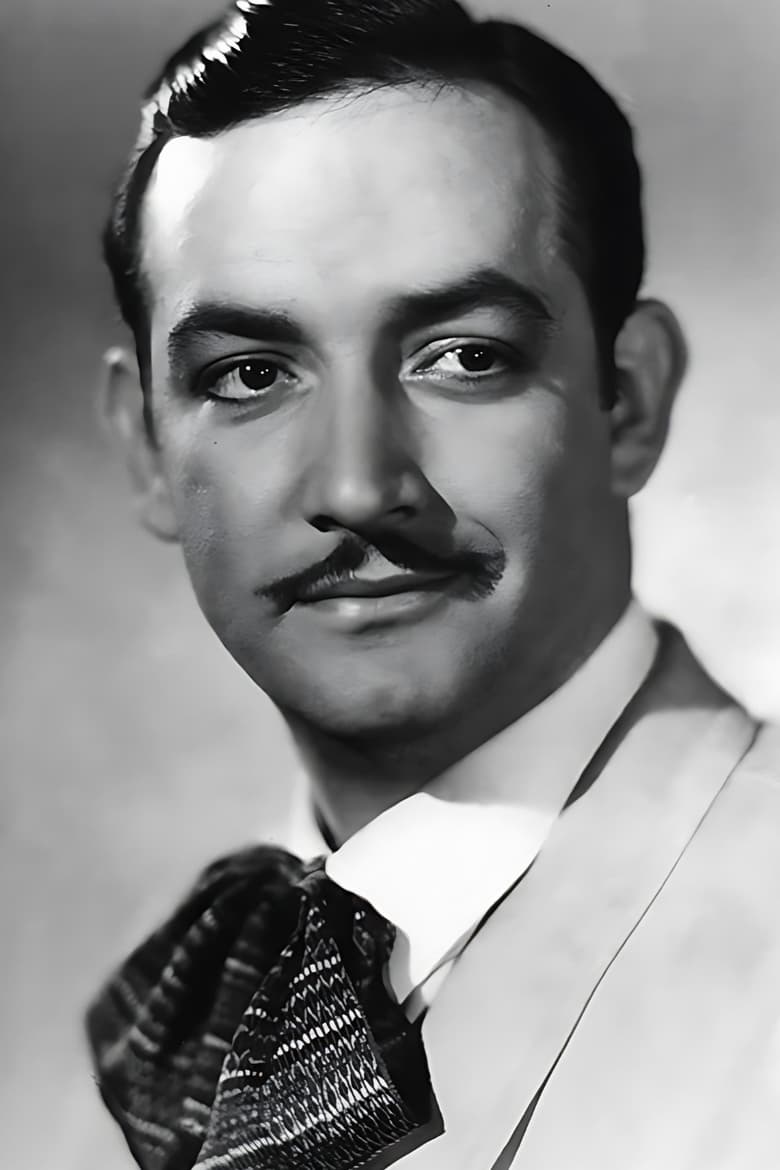
Jorge Negrete
Jorge Alberto Negrete Moreno (30 November 1911 – 5 December 1953) is considered one of the most popular Mexican singers and actors of all time.
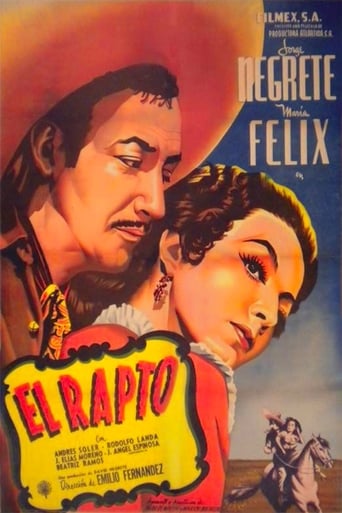
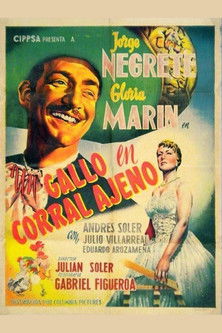
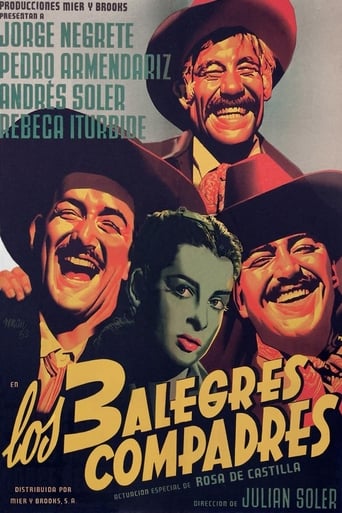
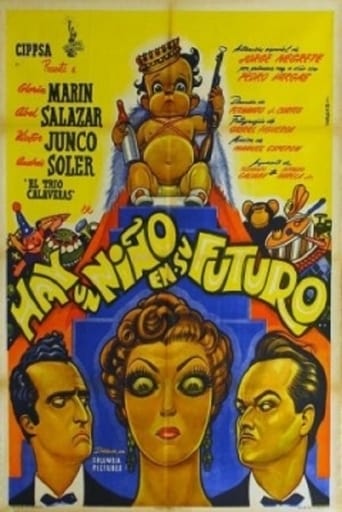
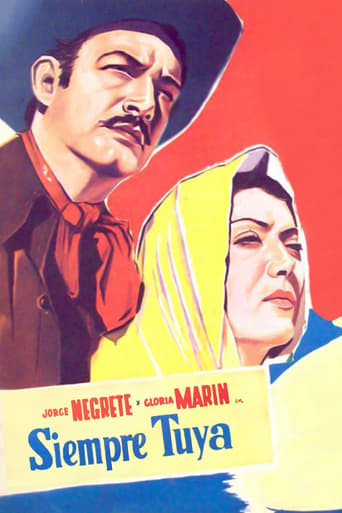
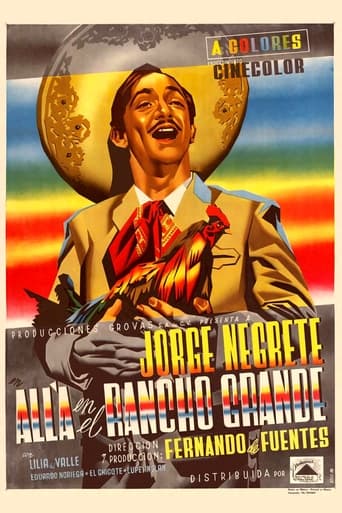
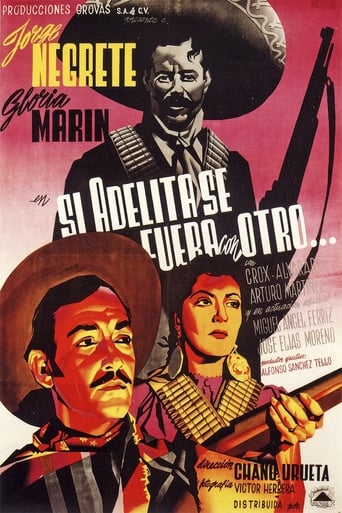
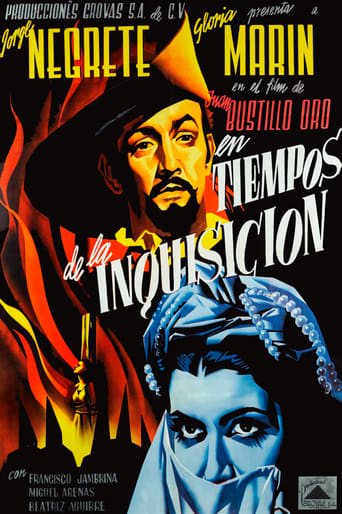
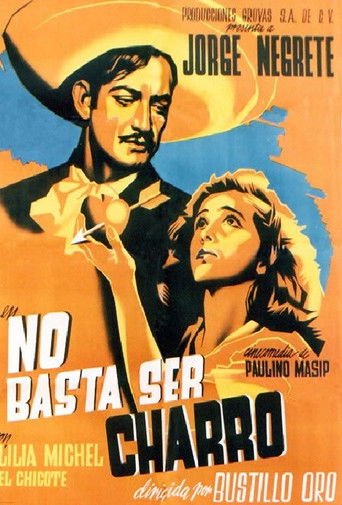
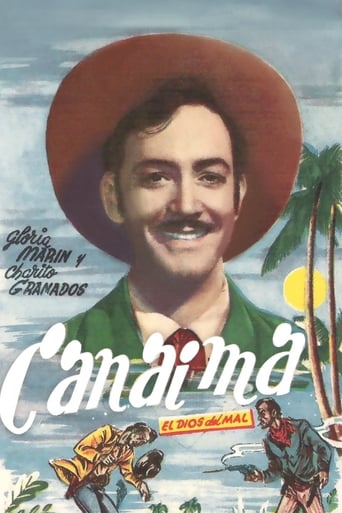
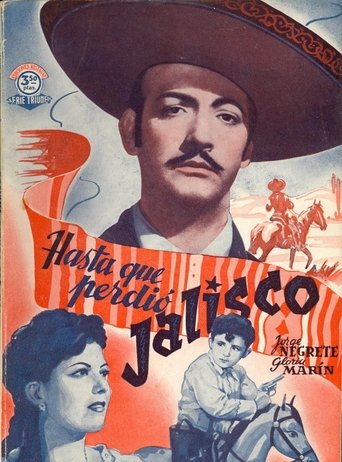
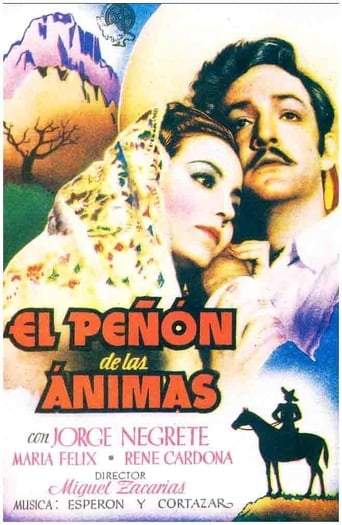
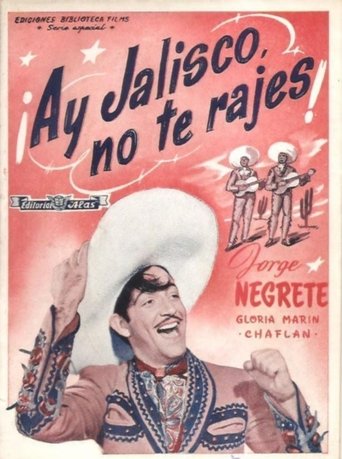
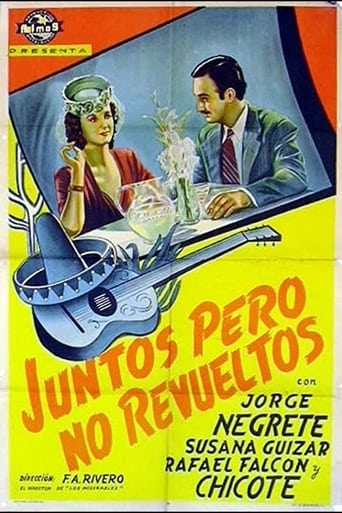
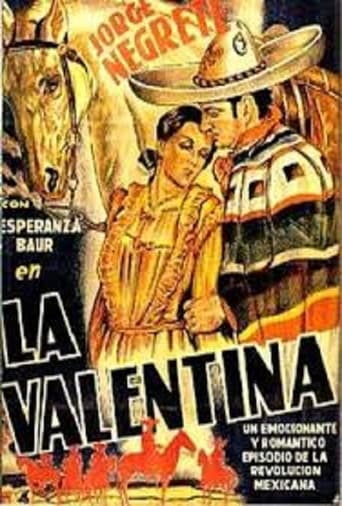
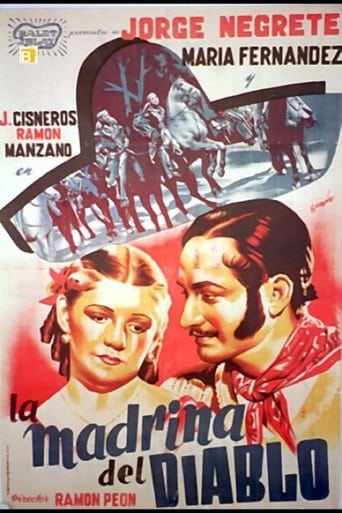
Negrete was born in the City of Guanajuato where he was raised together with his brother and three sisters, and also lived in San Luis Potosí. From an early age, Negrete demonstrated a great brilliance and rapidly became a prominent student in the eyes of his teachers. He spoke five languages: Spanish, German, English, French, Italian, and even Nahuatl (a Mesoamerican dialect). Despite his brilliance, Negrete decided to abandon his studies at the age of thirteen to enroll in the military. He graduated with the rank of sub-lieutenant from El Colegio Militar, Mexico’s military academy. This was the place where his fascination for music developed. Not only did he develop an interest for music but his military training forged him a gallant presence and character which would later benefit him in his acting career. Negrete met and studied under José Pierson, a prestigious singing professor, who became fascinated the moment he heard Negrete sing. Pierson helped Negrete develop his talent for Opera which led him to become well known in the United States. Handsome, with a very strong will and a trained, fascinating voice, he is still a top icon in Mexico, Spain and Latin America, more than 50 years after his death. His recording of "México Lindo y Querido" ("Beautiful and Beloved México"), his country’s unofficial anthem, is the best known recording of the song. His career is often compared to that of Pedro Infante, the most popular Mexican actor of the time. The public rivalry didn’t carry over to their private lives, as they were close friends until Negrete’s death. He married twice, to famous actresses with whom he shared credits: Elisa Christy and María Félix. He also lived with his frequent co-star, for more than ten years. Gloria Marín co-starred in 10 out of his 44 films. He started his career singing on the radio in 1931 in Mexico City singing operatic parts. In 1936 he signed with NBC Television for a TV program with Cuban and Mexican musicians. He returned to Mexico in 1937 to act in the film La Madrina Del Diablo ("The Devil's Godmother") and because of the success of the film he was able to sign for several more the next three years. In 1938 he starred in La Valentina with Elisa Christy and then in Juntos Pero No Revueltos. After working in Havana and Hollywood he was called to act in ¡Ay Jalisco, No Te Rajes! ("Hey Jalisco, Don’t Back Down!") which made him an international Latin star and helped formulate the charro film genre. Filming this film he met Gloria Marín, starting their romance and the string of films they filmed together. He complemented his film career by singing rancheras with the trio Los Tres Calaveras and touring Latin America, singing concerts and making personal appearances. He was offered the main role in El Peñón de las Ánimas (The Rock of Souls) and wanted Marín to be his co-star. In spite of his protests, newcomer María Félix became his star and eventually his wife, although they at first despised each other while filming the film.
Movies